

Hangverseny: a Pannonicum sorozat része
Pjotr Iljics Csajkovszkij: b-moll zongoraverseny
Maurice Ravel: Une barque sur l’ocean (Bárka az óceánon)
Igor Stravinsky: Petruska
Tom Borrow – zongora
Vezényel: Nicolò Umberto Foron
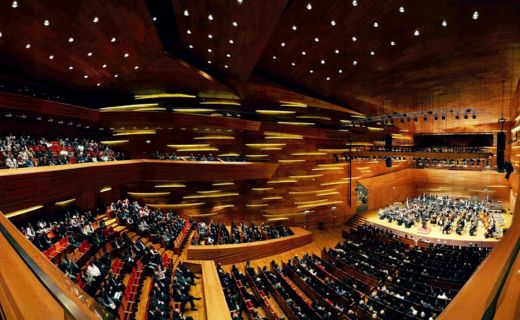
Látványos sláger, zenekari festmény és balettzene egy vásári komédiáról. Nicolò Umberto Foron már régi ismerősként tér vissza a zenekarhoz, és elmondása szerint ahogyan egyre nő az együttes és közte lévő bizalom, egyre nehezebb darabokat választ.
Ennek kapcsán ez a hangverseny Csajkovszkij b-moll zongoraversenyével kezdődik, melyet az ősbemutatóra felkért szólista eljátszhatatlannak tartott, de utóbb sokan eljátszották nagy sikerrel. Ravel „Bárkája” az impresszionizmus egyik csúcsteljesítménye, melyben a szerző arra tett kísérletet, hogy átültesse a tenger víztömegét és hullámzását a koncertterem egyenes és száraz padlójára. Stravinsky sikerdarabja pedig egy „Paprikajancsi” történetét bemutató burleszk, ami a zenekaroknak és a koreográfusoknak is kifogyhatatlan témát ad.
It was a spectacular hit, a symphonic painting and ballet music about a market farce. Nicolò Umberto Foron will return to the orchestra as its old friend, and as he puts it, the more the confidence grows between him and the ensemble, the more difficult pieces he tends to pick.
On the same note, the concert starts with Tchaikovsky’s Piano Concerto in B-flat minor, which the invited soloist found impossible to play at its world premiere. Still, later, many others managed to perform with great success. Ravel’s Barque (boat) is one of the incredible feats of Impressionism, where the composer attempted to bring the mass and waves of the water on the dry floor of the concert hall. Stravinsky’s big hit is a burlesque presenting the story of a „harlequin”, giving orchestras and choreographers an inexhaustible subject.